The problem
Model Obaly is one of the largest corrugated-packaging producers in the Czech
Republic. Part of the Swiss Model Group, it supplies brands including Nestlé, Kraft
Foods, Lego, and Mars from four factories around the country. The Opava plant alone
had accumulated over 300,000 pages of technical documentation: manuals,
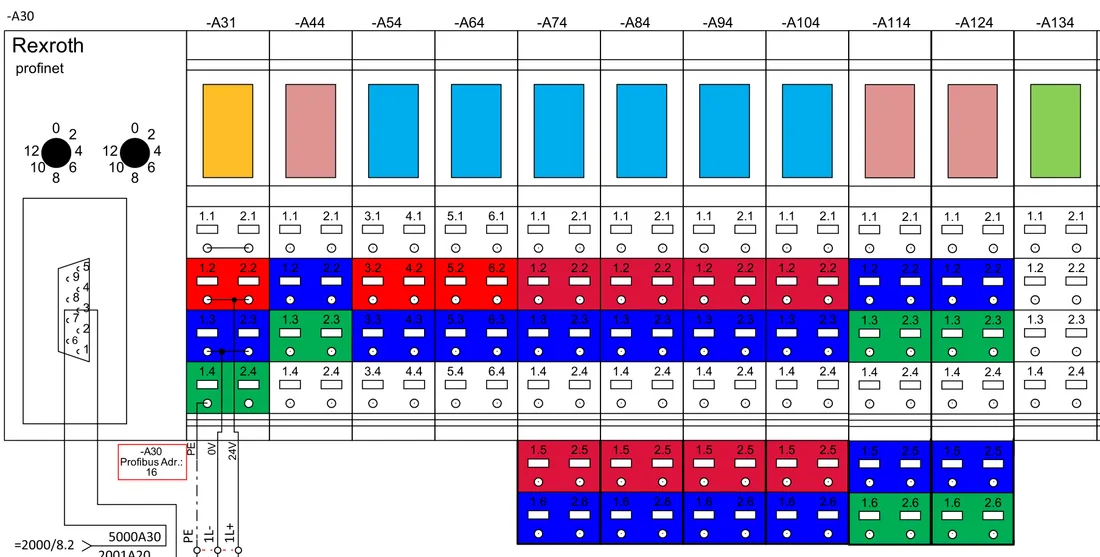
electrical diagrams, hydraulic and pneumatic schematics, a large body of PLC
programs, and an extensive spare-parts database.
The information was all there. It was just scattered. Manuals on one shared drive,
electrical documentation somewhere else, repair history in another system, spare
parts tracked separately. And the plant floor is physically large: walking to where
the documentation lives can take ten minutes each way. So when a machine stopped,
a technician either crossed the hall or picked up the phone and called someone who
knew. There was no systematic way to work with documents that were, in practice,
buried.
On the parts side the problem was sharper still. Maintenance works across four
separate spare-parts warehouses, one per plant, each with its own records. The same
part might sit in three of them under different entries. Finding it meant searching
across systems, duplicates were everywhere, and stock levels were hard to keep
straight.
The cost wasn't only downtime. It was decades of know-how that lived in people's
heads instead of in a structured, accessible form.
How we deployed
Edmund indexed the production machines at the Opava plant: printing, laminating,
die-cutting, and waste-processing lines. Including every manual, PLC project, and
spare-parts record.
Training was completed across multiple shifts in March 2026.
What Edmund read
- PLCLogic, tags, addresses, function calls, across printer, laminator, die-cutter, and waste lines
- Manuals300,000+ pages of vendor documentation, page-level citation
- Spare partsDatabases from all four plants, unified into one queryable view
- SchematicsElectrical, hydraulic, and pneumatic diagrams
Cross-factory spare parts overview
Model Obaly's biggest single win wasn't a document. It was the parts. Edmund
unified the four plant warehouses into one view, so a technician at the machine can
ask for a part and immediately see which entry is the right one, how many are in
stock, and at which plant it physically sits.
Because Model Obaly runs its own internal logistics between the four sites, that
answer is actionable on the spot. The technician knows what to order, knows where
it is, and knows it can move. No duplicate entries, no calling three warehouses, no
guessing at stock.
It turns four fragmented inventories into a single operational picture. The kind
of cross-plant view that's normally a multi-year ERP project, standing up in weeks.
What changed
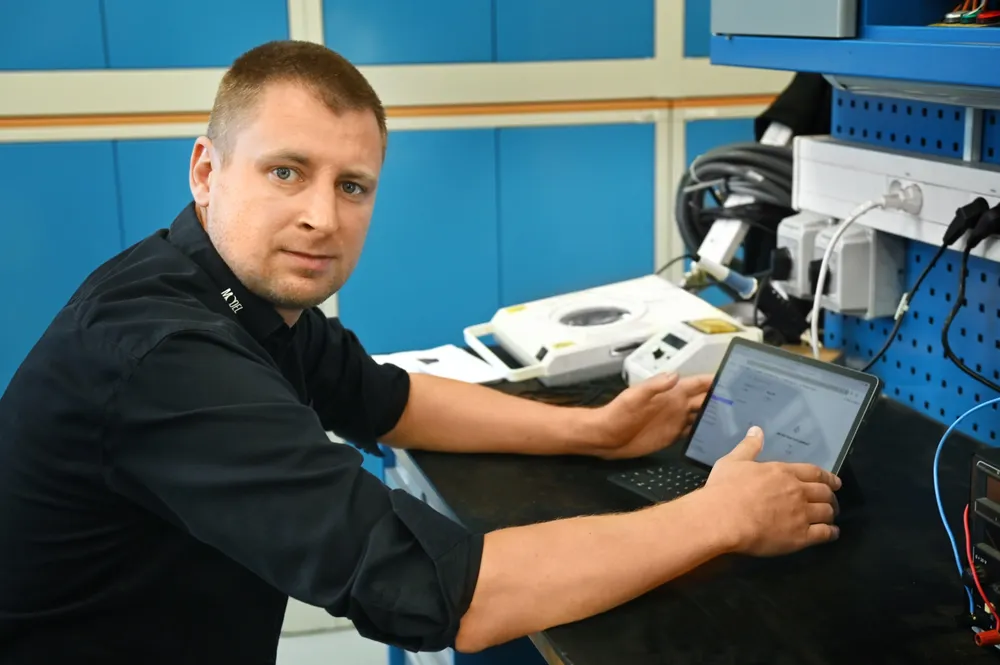
Edmund became the single interface for the whole debugging workflow at the machine.
A technician enters a fault and, within seconds, sees what it means, how it was
solved before, and which spare part is needed. And where that part is. Instead of
crossing the hall or calling a colleague, the answer is in their pocket.
The Opava plant is live. The second full factory rollout, Moravské Budějovice,
is in onboarding. Two more Czech plants are in scope.