

Edmund
Blog
What we keep running into on plant floors, written down.
AI in manufacturing: use cases and real examples
If you run a plant, you've sat through a few AI pitches this year. Where AI actually works in manufacturing, what the careful studies show, why projects stall, and what the EU AI Act means.
MTBF in maintenance: meaning, formula and how to improve it
The filler failed twelve times last month. Is that bad? MTBF turns failures into a number you can compare. How to calculate it, why it isn't a lifetime, and how to raise it.
PLC troubleshooting: what to check, in what order
The PLC says RUN and the machine still won't start. What to check at a stopped machine, in what order, with Siemens, Rockwell and Omron specifics.
Tribal knowledge in maintenance: what it is and how to keep it
The new technician checks the sensor. The 20-year veteran walks straight past it to the side guides. Tribal knowledge in maintenance: why losing it is a growing risk, and how to keep it.
Types of maintenance: 5 strategies and when to use each
One packaging line can run all five types of maintenance at once. What each one is, what triggers the work, and how to pick the right one for each failure.
VFD troubleshooting: common drive faults and what to check first
The drive trips, someone resets it, it trips again. What common VFD faults mean, what to check first, and the codes on PowerFlex, ABB, SINAMICS and Yaskawa drives.
What is reactive maintenance and when does it make sense?
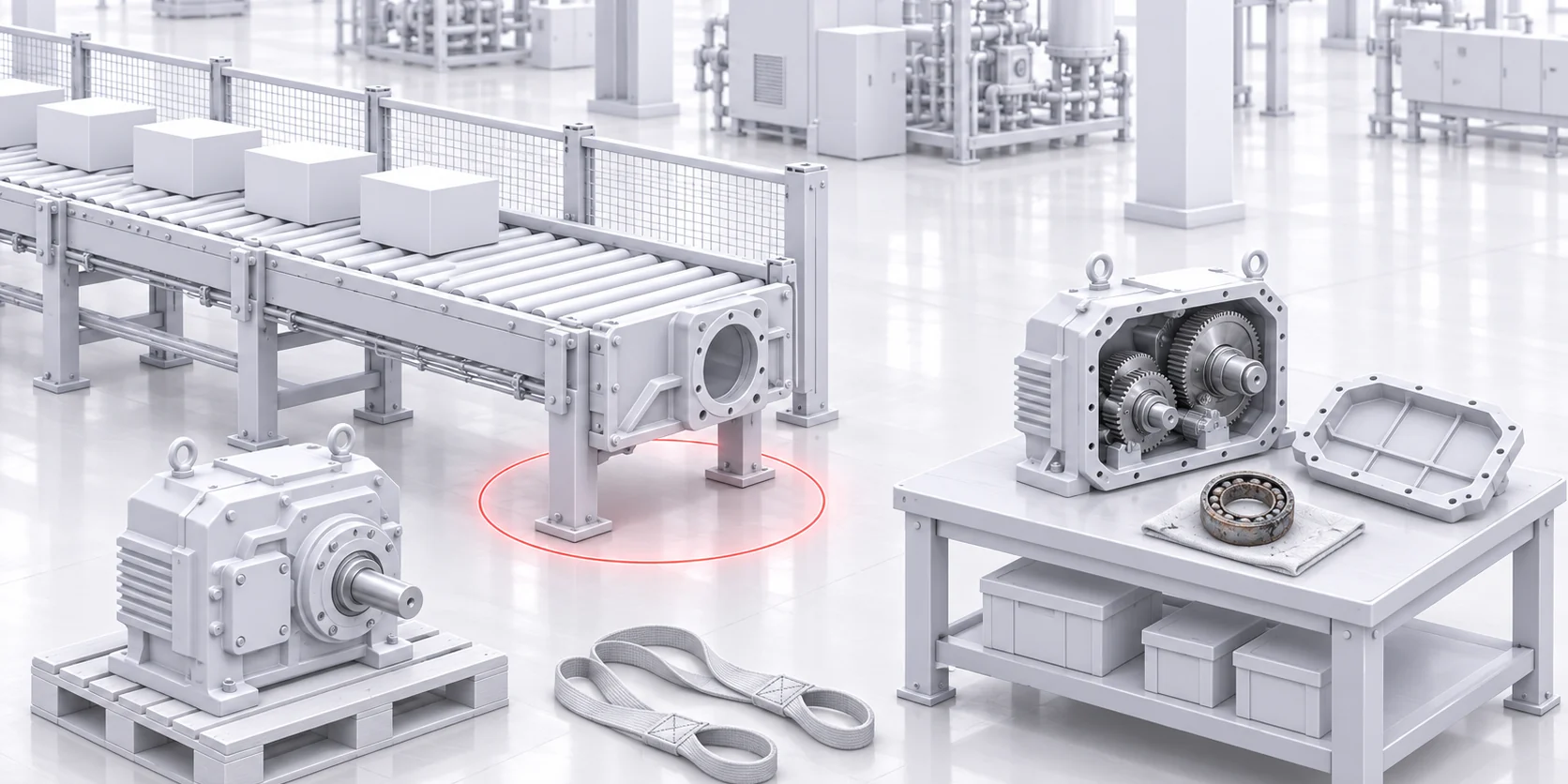
A cabinet light and a gearbox fail on the same day. Both are reactive maintenance, and only one was a good idea. What it costs, how common it is and when it makes sense.
How to read electrical schematics: a guide for maintenance technicians
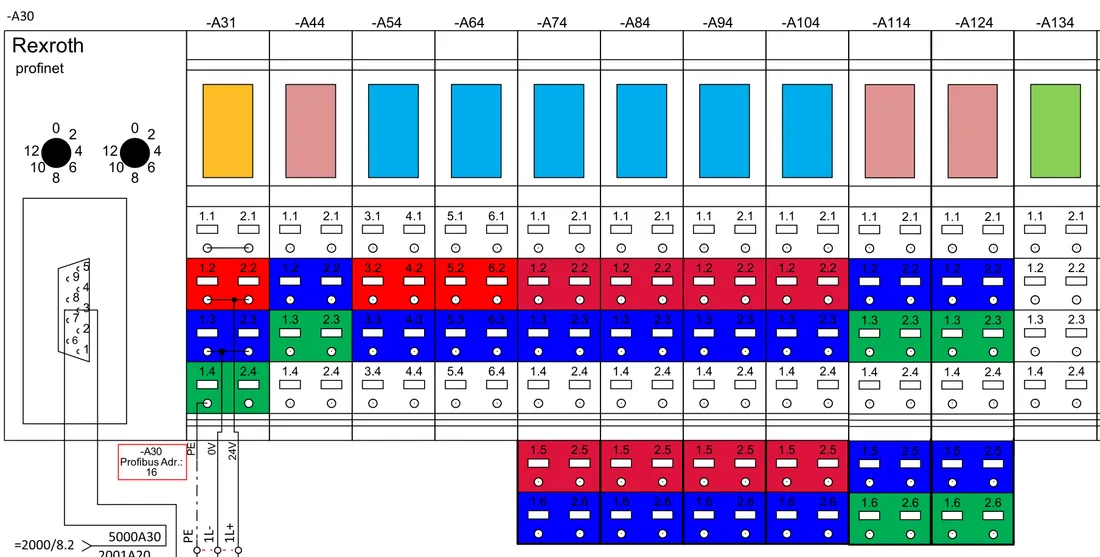
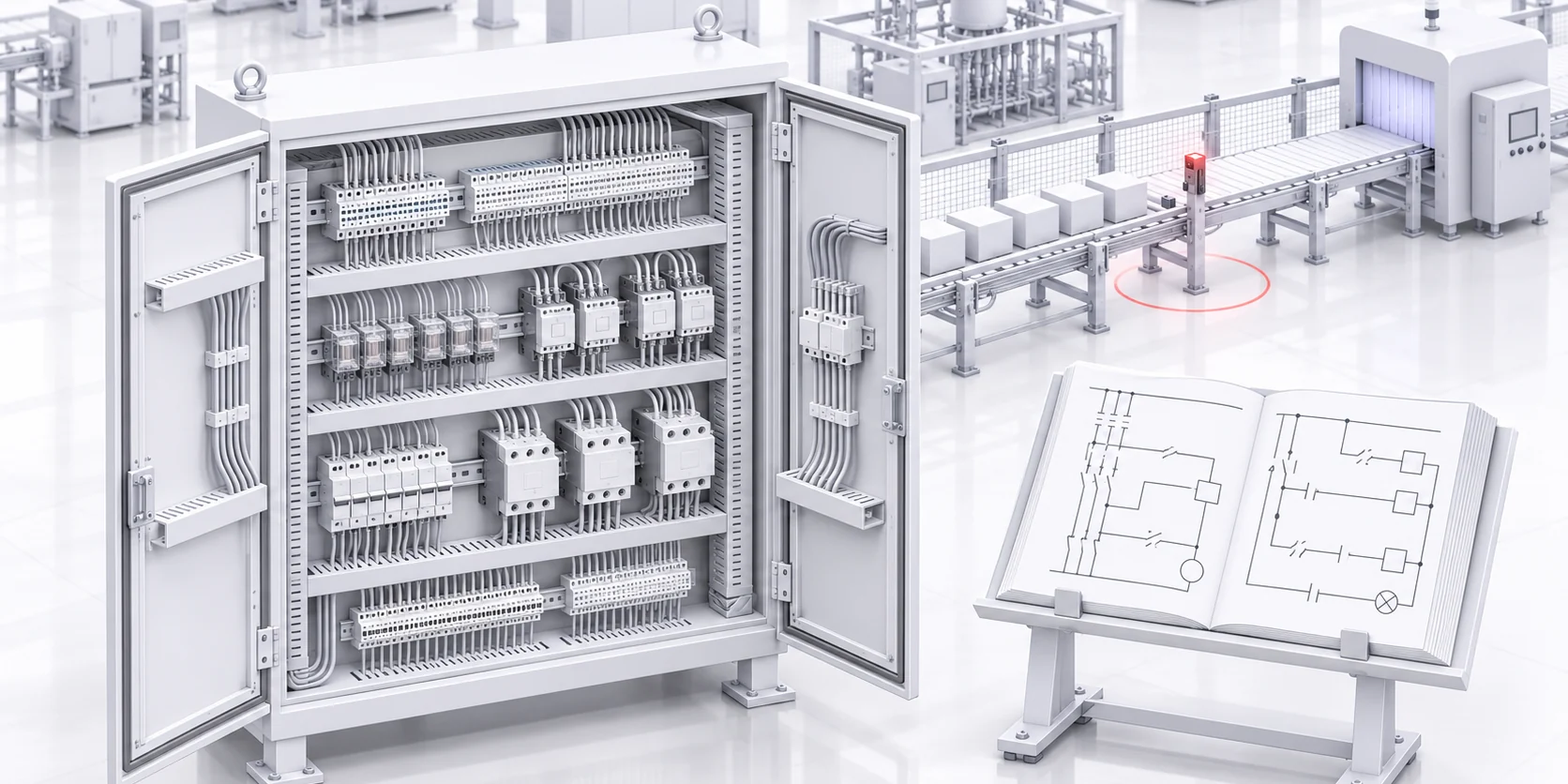
Hundreds of pages, one sensor that won't switch. How to read a machine's electrical drawings: symbols, device tags, page references, wire colors and PLC pages.
What is predictive maintenance and what can't it predict?
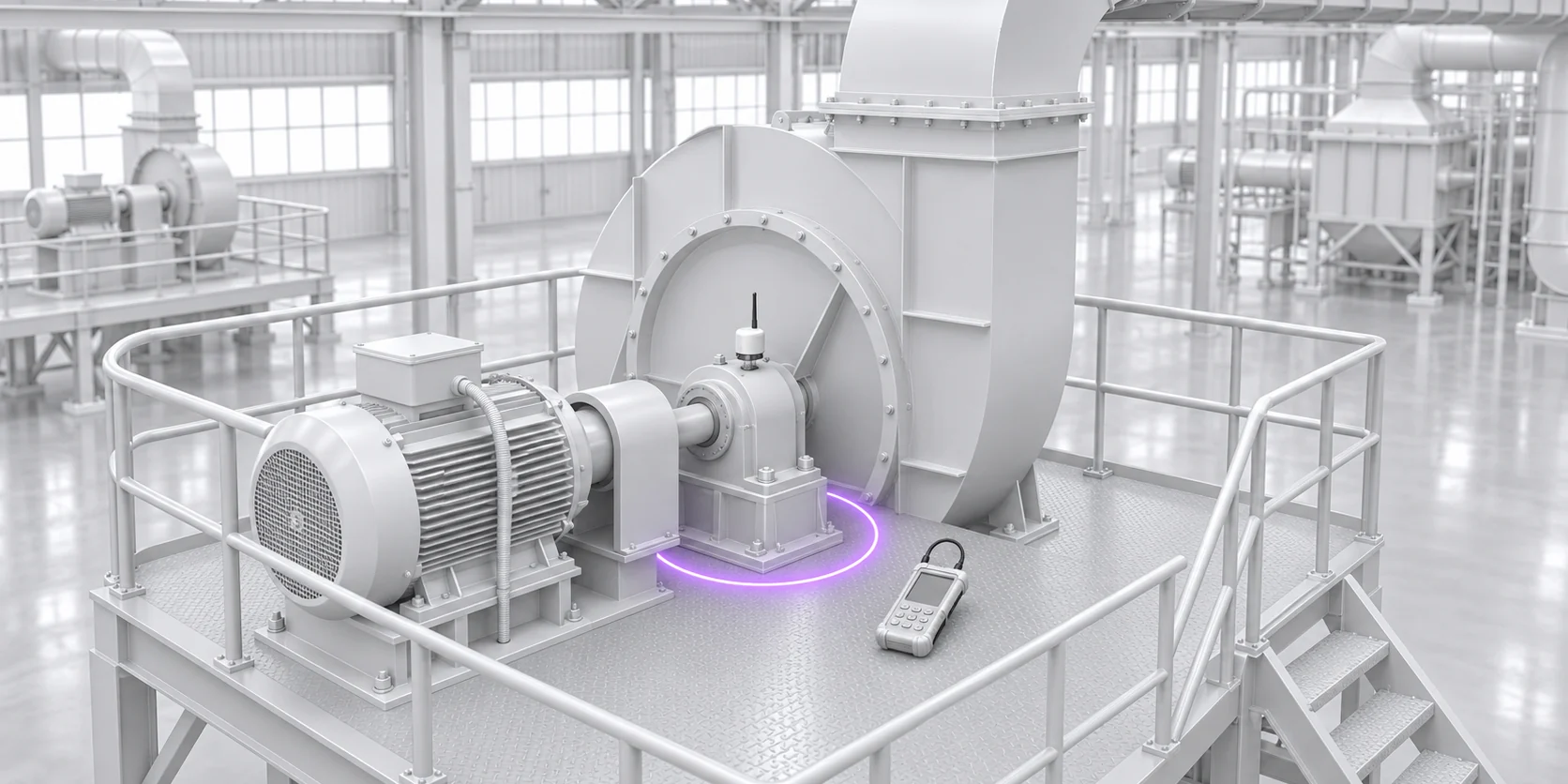
A worn bearing usually warns you weeks before it fails. Predictive maintenance is how you catch that warning. How it works, what you need for it, and the failures it can't see coming.
Edmund vs Linexa: AI for PLC troubleshooting compared
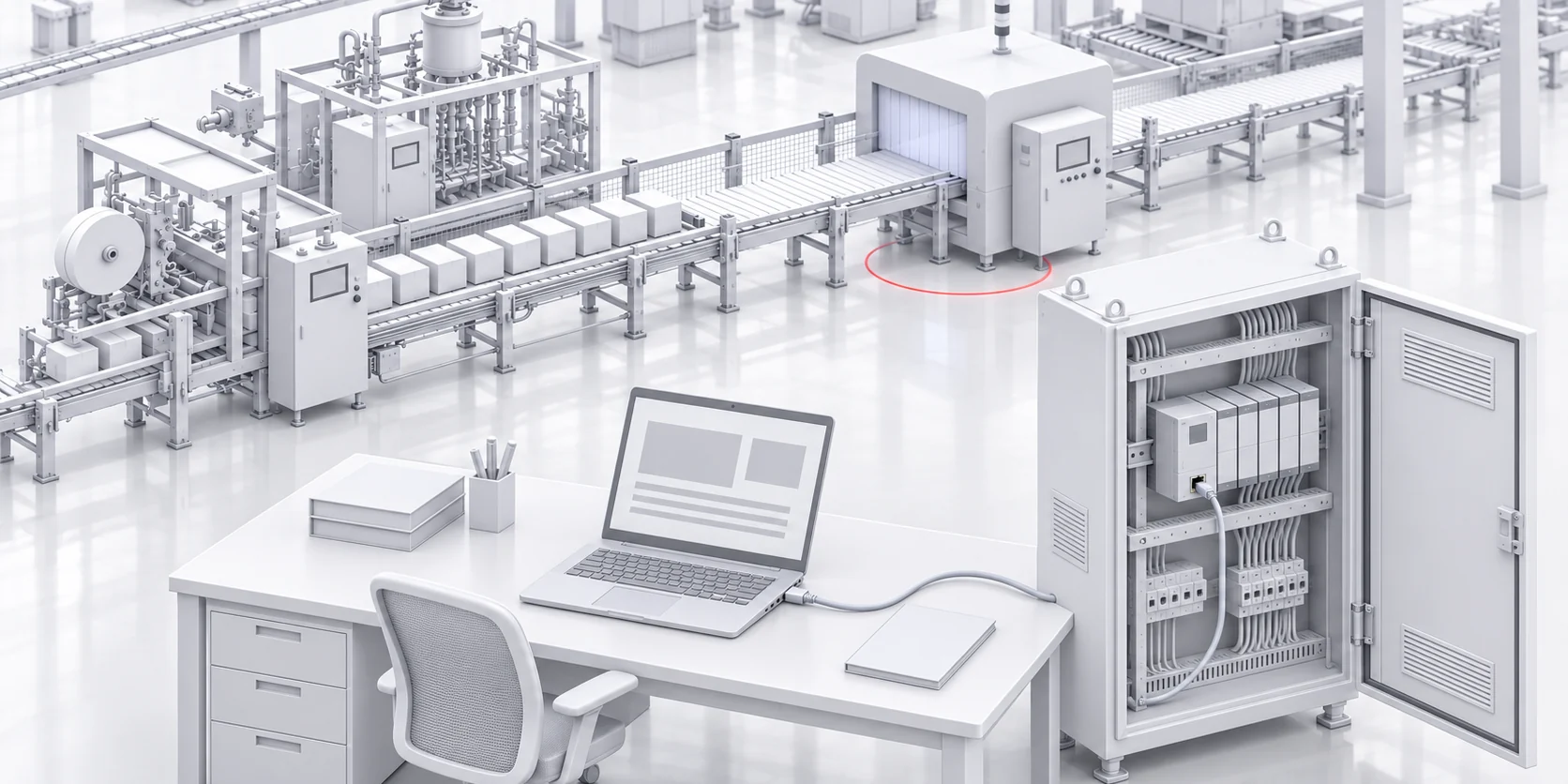
Both read the PLC project. The difference is who's asking. Linexa vs Edmund for PLC troubleshooting: what each reads, who uses it, and where each fits.
Root cause analysis for machine breakdowns, with examples
The same fault keeps coming back after every repair. How to find out why: the steps, the methods (5 Whys, fishbone, fault tree), a worked example and a template.
AI in maintenance: what to vibe-code and what to buy
You can bake your own bread, but you still go and buy it. Maybe that is a fallacy, but a comparison is due. So should you start baking your own software?
Edmund vs Datch: AI diagnostics for maintenance compared
Shortlisting AI tools for your maintenance team? Datch vs Edmund: what each one reads (PLC programs, CMMS, manuals), how technicians use them, and where each fits.

How AI reduces machine downtime in manufacturing
When a line stops, the clock runs while people wait and search. How AI shortens that time, and sometimes prevents the stop, with results from real plants.
Edmund vs ChatGPT for PLC and machine troubleshooting
It's 3 a.m., the line is down, and the fault message goes into ChatGPT. What ChatGPT, Copilot and Gemini can read from your plant, and what Edmund reads.
What is prescriptive maintenance?
Your predictive system says a bearing will fail in three weeks. Now what? Prescriptive maintenance answers that. What it is and how it differs from predictive.
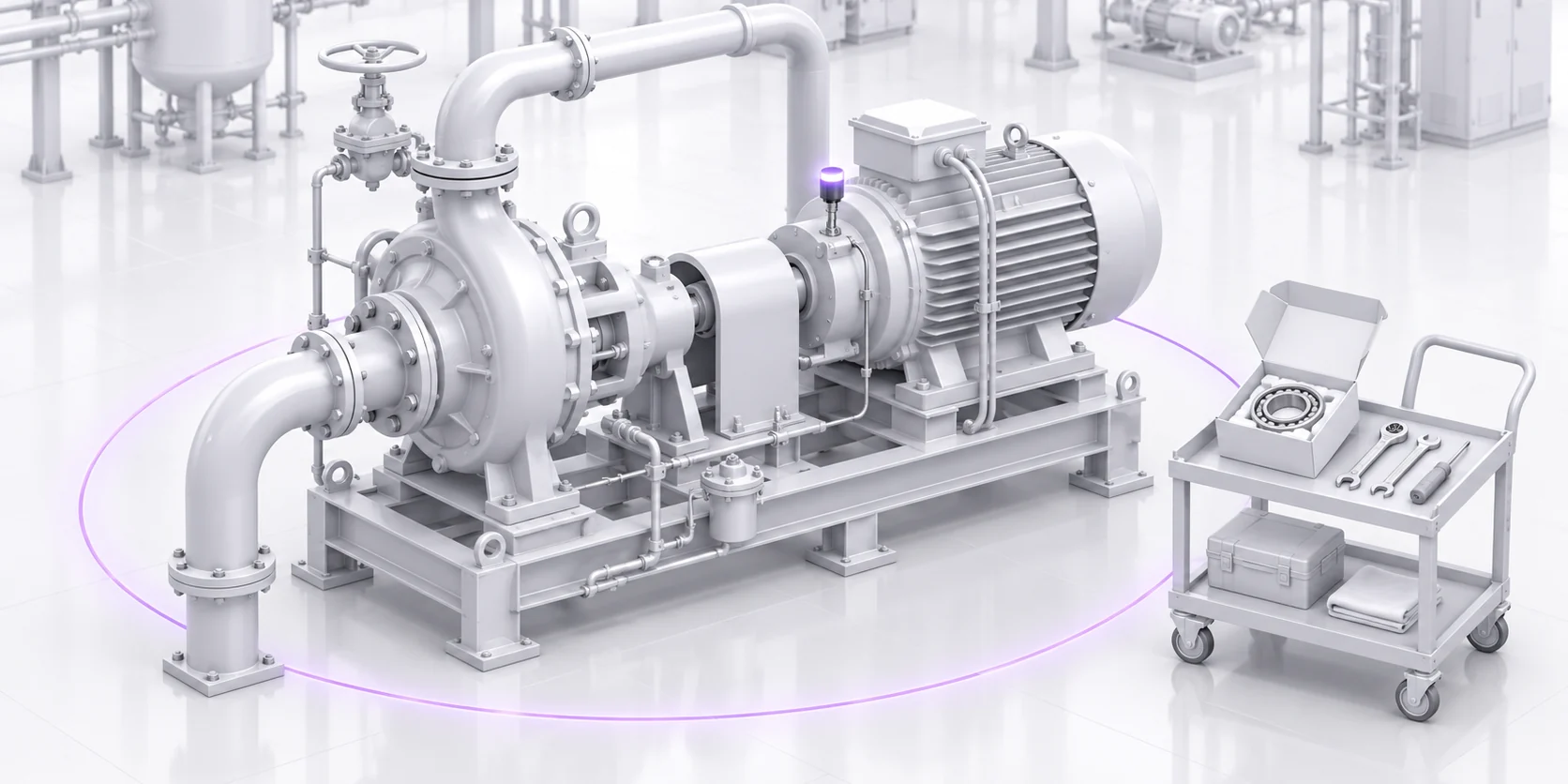
Cost of downtime: what an hour costs a packaging line
Surveys put an hour of downtime at $36,000 to $2.3 million, and neither is your line. How to work out what an hour really costs you, with a packaging line example.
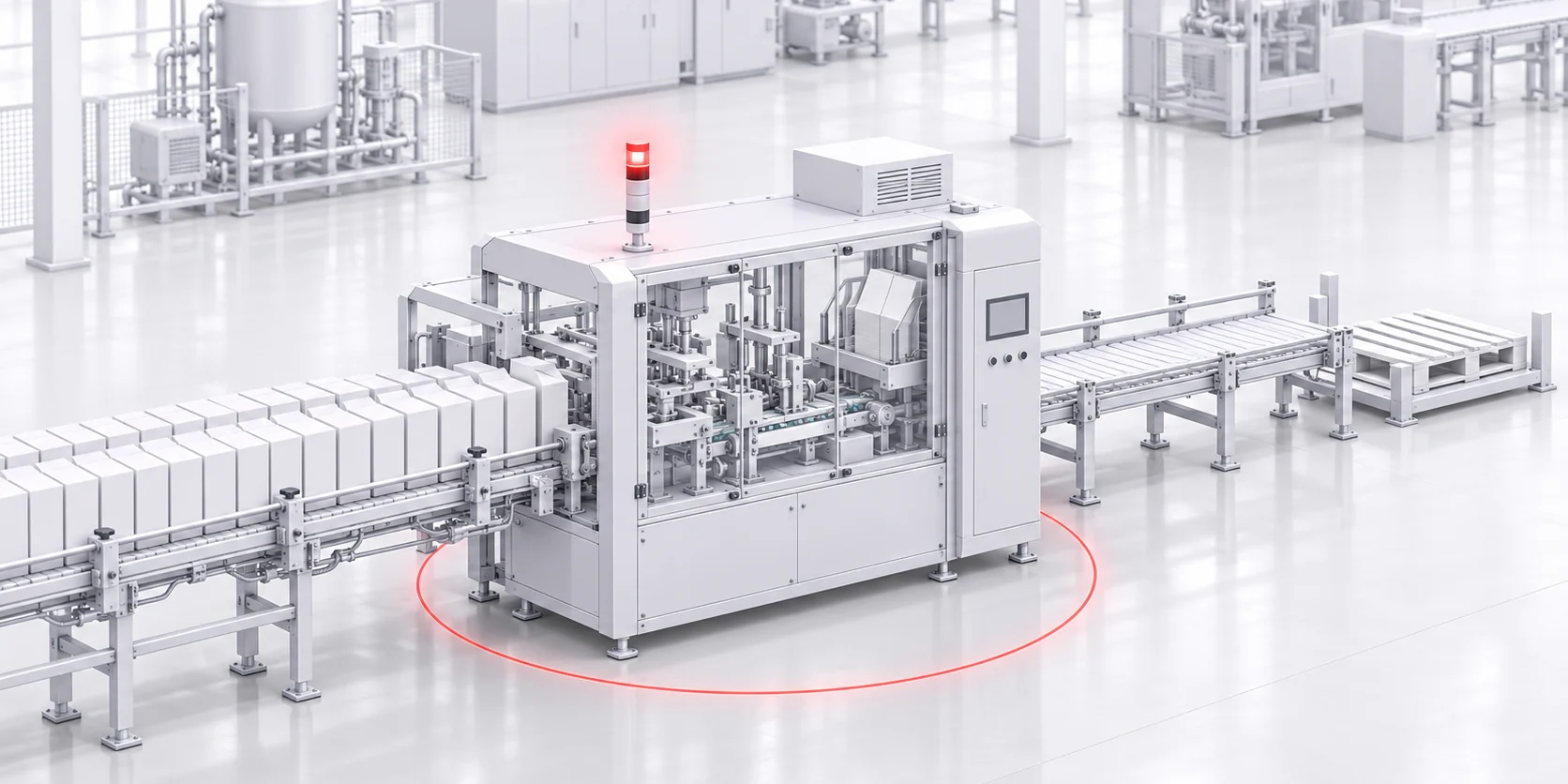
MTTR in maintenance: meaning, formula and how to reduce it
A 90-minute stop, and only ten of those minutes went on the repair. What MTTR means, how to calculate it, where the minutes go and how to bring it down.
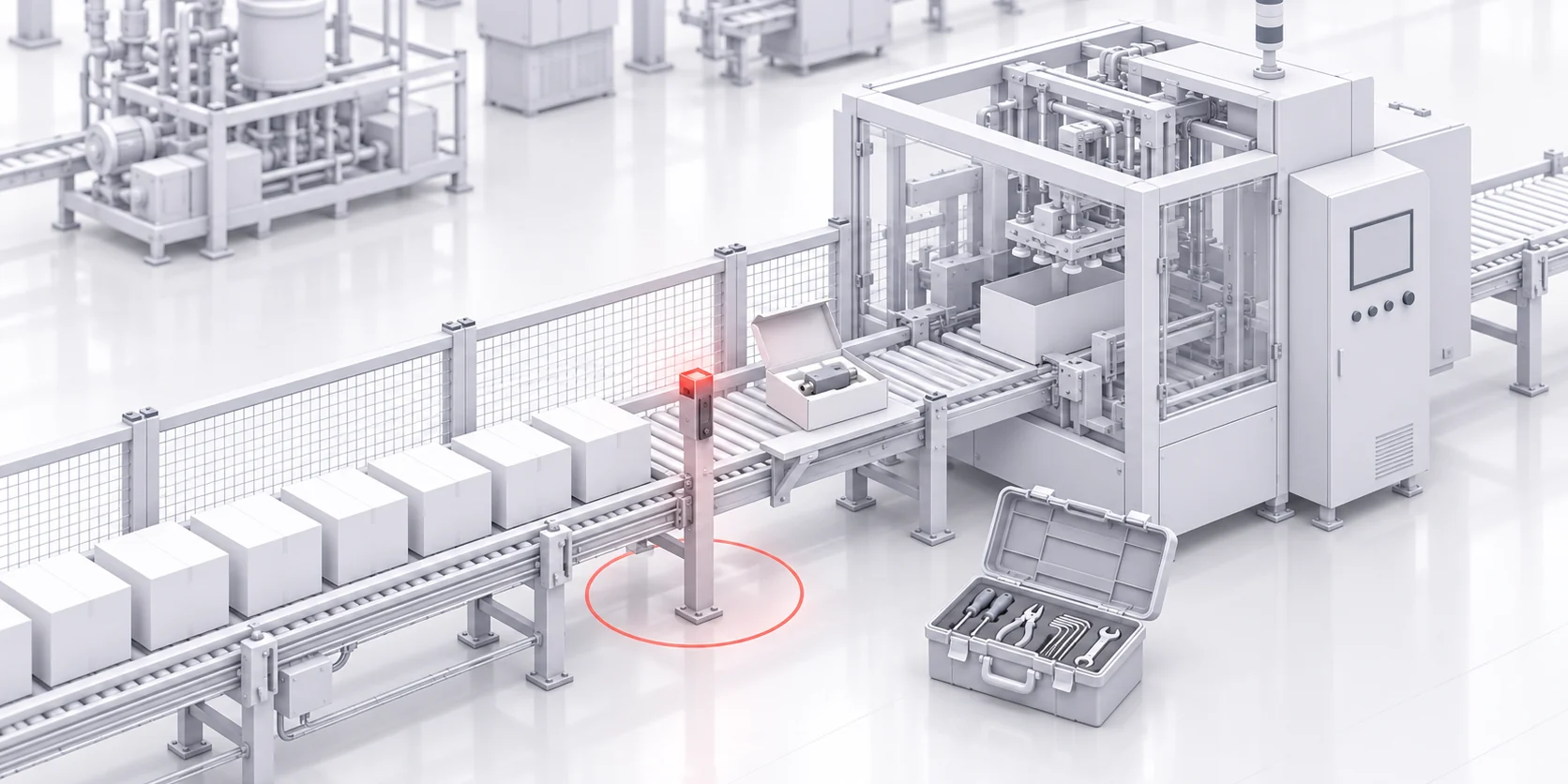
Why the plant forgets
A line stops for the fourth time this year with the same fault, and nobody in the room remembers the first three. The knowledge did not leave the building. It was never written anywhere a person could find it at 3 a.m.